
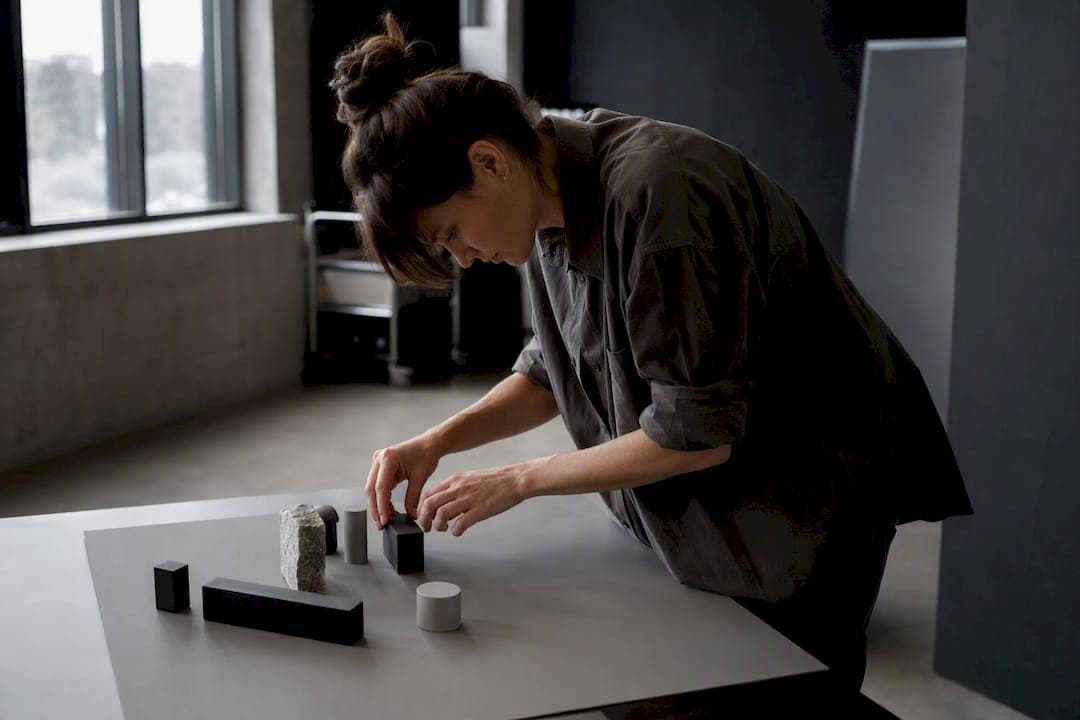
Art direction for commercials is the practice of defining and controlling every visual element of an ad, from mood and set design to props, color, and talent styling, so the finished spot sells an idea in 15 to 60 seconds. If you want in, start with three things: a portfolio or reel with at least one spec commercial, working knowledge of Adobe Creative Cloud, and a habit of shooting stills that prove you can compose a frame under pressure.
On any given commercial, an art director controls:
- Overall mood and visual tone
- Set design and location dressing
- Prop selection and placement
- Color palette and continuity
- Talent look, wardrobe, and grooming direction
Key Takeaways
Building a career in commercial art direction requires a strong portfolio, working production literacy, and disciplined pre-production planning more than raw creative talent alone.
| Point | Details |
|---|---|
| Start with three basics | Build a portfolio with one spec commercial, learn Adobe Creative Cloud, and practice composing under time pressure. |
| Follow the three-phase workflow | Pre-production moodboards and art bibles, on-set dressing and adjustments, post-production VFX and color review. |
| Expect a multi-year climb | Junior roles typically lead to AD titles, with the national average for related roles at $61,276 per year. |
| Protect your assets legally | Keep a rights log for licensed art, fonts, and custom props to avoid clearance problems before delivery. |
| Bring in production expertise | Partners like MINIM handle set builds, fabrication, and asset delivery so your visual concept survives production intact. |
Table of Contents
- What Does Art Direction for Commercials Actually Involve?
- The Commercial Art-Direction Workflow, Step by Step
- Skills, Software, and Deliverables Art Directors Need
- Building a Portfolio and Finding Your Way Into the Role
- Your First Commercial: A Low-Budget Art Direction Checklist
- What to Expect: Pay, Timeline, and What Gets You Hired
- How Production Partners Support the Art Director's Vision
- Who Owns the Art in a Commercial? Legal and Copyright Basics
- Where Art Direction Actually Gets Hard
- Virtual Production Is Changing What Art Direction Looks Like
- Talking to Directors, DOPs, and Producers Without Losing Your Vision
- What Nobody Tells You About the First Two Years
- How MINIM Executes Art Direction at Production Scale
- Frequently Asked Questions
- Sources
What Does Art Direction for Commercials Actually Involve?
An art director on a commercial owns the visual translation of a creative brief. That means concepting the look before a single frame is shot, then defending that look through production and into final delivery. According to the IPA, art directors combine artistic sensibility with production knowledge, coordinating photographers, directors, and studio teams to keep a campaign visually consistent across every touchpoint.
The job splits cleanly into three phases. Pre-production is where you build moodboards, assemble the art bible, and lock prop and wardrobe lists against the budget. On set, you dress and redress the frame, adjust for lighting changes, and answer the director's questions about why a prop sits where it sits. In post, you sign off on VFX comps, color grading, and any graphics layered over the final cut. Handoffs matter here: a producer owns the schedule, the DOP owns exposure and lens choice, but you own whether the world in front of the camera looks right.
A working role map looks like this:
- Copywriter/creative director: you translate their concept into a visual system
- DOP: you align on lighting, texture, and how set elements read on camera
- Production designer/prop master: you direct their builds and sourcing
- Producer: you negotiate budget tradeoffs on fabrication versus rental
Pro Tip: Keep a running "visual decisions log" during pre-production. When a client asks why the hero prop is red instead of the brand's signature blue, you want a documented reason, not a guess.
The Commercial Art-Direction Workflow, Step by Step
Every commercial art director follows some version of the same arc: understand the brief, build the visual world, execute it on set, then finish it in post. Skipping steps is how budgets balloon and shoots run long.
Pre-production:
- Read the creative brief and identify the core message and target audience
- Research the media plan (broadcast, social, connected TV) since aspect ratios and pacing change your framing choices
- Build three to five moodboards covering different tonal directions
- Draft storyboards and, if the budget allows, an animatic
- Compile the art bible: color palette, typography, prop references, wardrobe notes
- Finalize prop and wardrobe lists against the approved budget
Production:
- Decide set build versus location dressing based on control needs and budget
- Frame every hero prop with the DOP's lens choice in mind, not just how it looks to the eye
- Stay on set for continuous adjustments. Practitioner case studies of commercial shoots, like the Nestle Extreme set design, show art directors custom-fabricating props and re-dressing sets in real time to fit narrow camera frames
- Track continuity across takes so shot-specific dressing matches between angles
Post-production:
- Hand off plates and reference stills to the VFX team with clear notes
- Review color grading against the original moodboard, not memory
- Approve final graphics and lower thirds for brand accuracy
- Archive every asset, from prop photos to approved comps, for future reels and reuse
- Confirm rights and clearances on any licensed art, music, or stock elements before delivery
Pro Tip: Build 10% slack into your prop and wardrobe budget. On-set surprises, a broken hero prop, a wardrobe malfunction, a location falling through, are the norm, not the exception.
Skills, Software, and Deliverables Art Directors Need
Strong composition sense, color theory, and typography are non-negotiable, but on commercials you also need photographic lighting literacy and enough set sensibility to know what reads well on camera versus what only looks good in person, as explained in DTC product photography for premium brands. Visual storytelling for a 15 to 60 second spot is a different discipline than print. Every frame has to earn its place, and D&AD's art direction masterclass builds its entire curriculum around composition, tone, and applying photography and typography specifically to advertising.
Software expectations are concrete:
- Adobe Photoshop and Illustrator for moodboards and concept art
- InDesign for building the art bible
- Basic Premiere or After Effects fluency, enough to speak the language of your editor and VFX team, even if you're not cutting the final spot
- Growing familiarity with 3D and virtual production tools where budgets call for them
Deliverables you should be able to produce on request:
- Moodboards and a full art bible
- Storyboards or animatics
- Shotlists and continuity sheets
- Prop and wardrobe lists with sourcing notes
Your portfolio needs to reflect all of it: spec commercials, behind-the-scenes frames, storyboard excerpts, and clear role credits so a hiring creative director knows exactly what you owned.
Building a Portfolio and Finding Your Way Into the Role
Most art directors enter through one of a few well-worn paths: junior designer roles that grow into AD titles, production design tracks that pivot into advertising, in-house creative teams at brands, or freelance work stitched together from agency internships. Miami Ad School's career guide frames art direction explicitly as leadership, creating the overall design and directing others who execute it, and recommends internships and spec work as the fastest route to a hireable portfolio.
Training options map to different outcomes:
- Miami Ad School: portfolio-driven programs built around agency-style critiques
- D&AD masterclasses: one-day intensives sharpening a specific skill like composition or photography literacy
- Agency internships: real production exposure, often the fastest path to a first credit
For the portfolio itself:
- Aim for 6 to 10 strong pieces over 20 mediocre ones
- Include at least one full spec commercial with a written case note explaining your visual choices
- Credit yourself accurately (concept, AD, or prop design) rather than implying you owned the whole production
- Fast wins: partner with film students who need a production designer, shoot a locked-off spec on a phone, or take a storyboard through to a finished 30 second cut
Your First Commercial: A Low-Budget Art Direction Checklist
You don't need a studio budget to prove you can art direct. You need discipline and a plan.
Pre-shoot:
- Write a one-paragraph visual brief defining tone, palette, and audience
- Build three moodboards and pick one direction with your director
- Create a scaled prop and wardrobe list matched to what you can actually afford or borrow
- Lock one location and one camera setup rather than chasing multiple looks
Shoot day:
- Capture reference shots before rolling so you have a baseline for continuity
- Assign someone, even if it's you, to photograph continuity between takes
- Keep a simple prop placement map for each shot setup
- Pack a contingency kit: gaffer tape, spare props, a steamer for wardrobe
Post-shoot:
- Shoot behind-the-scenes stills for your reel while the set is still standing
- Label and archive every asset immediately, not weeks later when you've forgotten what's what
- Write a short case note explaining your key visual decisions for portfolio context
Pro Tip: When the budget is tight, spend it on one hero prop and good lighting. A cheap set with great light photographs better than an expensive set with flat lighting.
What to Expect: Pay, Timeline, and What Gets You Hired
The national average for commercial artist roles sits at $61,276 per year, with portfolio strength and Adobe Creative Cloud fluency listed as standard hiring requirements rather than nice-to-haves. Expect a multi-year climb: junior designer or production assistant roles typically come first, followed by an AD title once you have a handful of produced spots, then senior AD or creative lead as you build a track record managing bigger budgets.
What separates hired candidates from the rest usually isn't software mastery. It's:
- A portfolio that tells a clear visual story, not just a grid of pretty images
- Real production experience, even unpaid or spec work, that shows you understand how sets actually get built
- References who can vouch for how you collaborate under deadline pressure
How Production Partners Support the Art Director's Vision
An art director's vision is only as good as the team that can build it. Production partners typically handle set construction, prop fabrication, crew hiring, and the technical logistics of turning a moodboard into a physical set, then deliver wrapped assets ready for post.
Custom-built commercial sets often involve detailed carpentry, CNC work, and staged finishes to hit a brand-specific look that a standard studio rental simply can't deliver. That fabrication layer is where a lot of the visual promise made in the art bible either holds up on camera or falls apart.
The handoff typically flows: art bible and reference stills go to the production partner, who translates them into a buildable set; on-set adjustments get made collaboratively as the AD and crew see how the space reads on camera; then final assets, plates, stills, and props, get archived and handed to post. For readers looking to understand what a full-service partner can execute once your vision is locked, MINIM's production capabilities cover this entire arc from concept through delivery.
- Set construction and location dressing
- Custom prop fabrication
- Crew staffing and technical logistics
- Asset archiving for post and future reel use
Who Owns the Art in a Commercial? Legal and Copyright Basics
Every prop, font, piece of art, and background image in a commercial carries a rights question, and ignoring it is one of the fastest ways to sink a finished spot before it airs. If your set design incorporates existing artwork, licensed photography, or a distinctive brand's visual identity that isn't your client's, you need clearance before it goes on camera, not after.
A few areas trip up early-career art directors consistently. Custom-fabricated props and set pieces built specifically for the shoot are generally owned by whoever commissioned and paid for them, but that ownership should be spelled out in the production agreement, not assumed. Stock imagery, fonts, and any licensed graphic elements used in moodboards or final graphics need usage rights that match the media plan; a license cleared for social media doesn't automatically cover a broadcast run. Typography counts too. Many display fonts require a commercial license separate from a personal-use download, and a client's legal team will flag it if it's missing.
Talent likeness and wardrobe branding carry their own rules. If a background actor is wearing a recognizable third-party logo that isn't part of the campaign, it typically needs to be removed, covered, or cleared. The safest habit is building a simple rights log alongside your art bible: source, license type, and expiration date for every asset that didn't originate on set. It's tedious, but it's far less painful than a legal hold on a finished commercial.
Where Art Direction Actually Gets Hard
The gap between a moodboard and a finished commercial is where most early-career art directors get tested, and it's rarely a creative problem. It's a logistics one.
Budget constraints are the most common friction point. You'll frequently be asked to make a set look twice as expensive as its actual line item, which means learning to prioritize: one well-fabricated hero prop and controlled lighting will outperform a fully dressed set with mediocre lighting almost every time. Location fallthroughs are another recurring headache; always walk into a shoot day with a backup framing plan for at least your top three shots.

Client and creative-director notes arriving mid-shoot create a different kind of pressure. The fix isn't resistance, it's speed: keep alternate prop or color options pre-approved before the shoot so a note doesn't stall the whole crew while you improvise a solution on the spot.
Continuity across multiple takes and camera angles is a quieter but equally common problem, especially on set-heavy commercials where props get moved between setups. A simple placement map, photographed after each configuration, solves most of it. And when a director wants coverage your original plan didn't account for, expect to re-dress elements of the set in real time, exactly the kind of continuous, camera-aware adjustment documented in set design case studies from commercial shoots. The art directors who handle this well aren't the most talented visually; they're the ones who planned contingencies before they needed them.
Virtual Production Is Changing What Art Direction Looks Like
LED volume stages and virtual production have started reshaping how art directors approach world-building on commercials, particularly for spots with fantastical or location-heavy concepts that would otherwise require expensive travel or fabrication. Instead of building a full physical set, an AD might now design a digital environment displayed on an LED wall behind talent, with real foreground props blending into a virtual background in-camera.
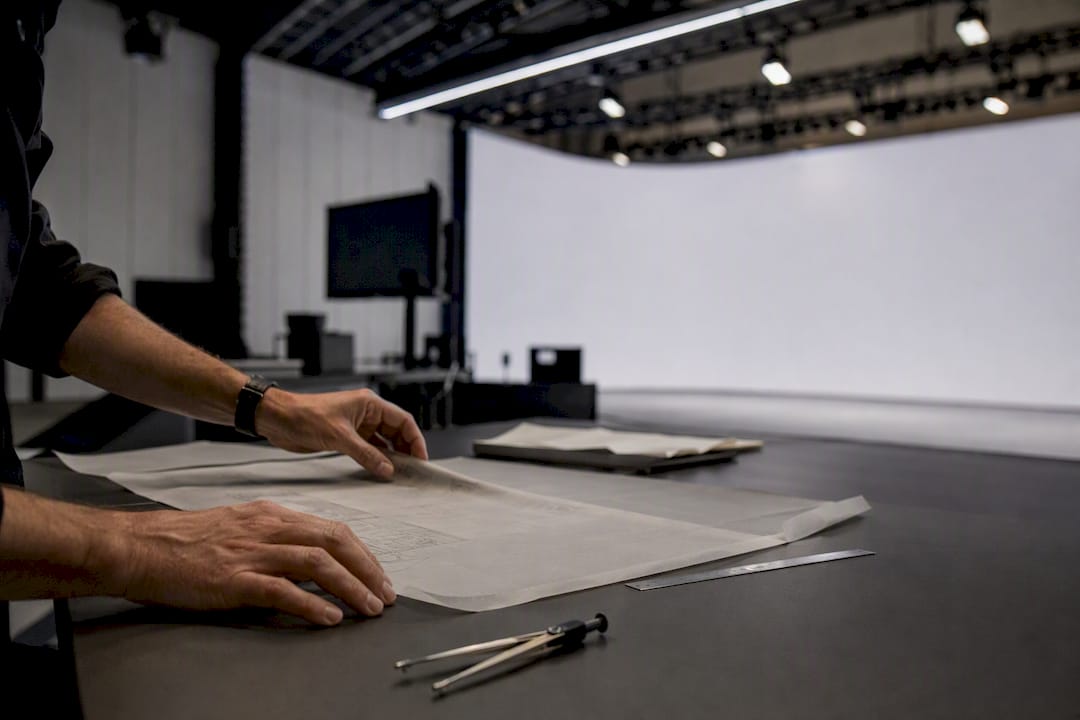
This shift doesn't eliminate the fabrication side of the job, it changes its proportions. Hero props and anything talent physically touches still need to be built or sourced in the real world; the environment around them increasingly doesn't. That means art directors now benefit from at least a working awareness of 3D and virtual production tools, even if a specialized team handles the technical execution.
Digital tools have also compressed the moodboard-to-approval cycle. AI-assisted concept generation lets an AD produce more visual directions faster for client review, though the fabrication and on-set craft, the actual prop-making, set dressing, and lighting, remain stubbornly analog and skill-dependent. Award bodies tracking craft excellence, including the Webby Awards' Best Art Direction category, increasingly recognize work that blends practical and digital environments seamlessly rather than favoring one approach outright. The practical takeaway for early-career ADs: learn the traditional craft first. The technology is a faster way to reach the same visual goal, not a replacement for knowing what a good set looks like.
Talking to Directors, DOPs, and Producers Without Losing Your Vision
Visual cohesion on a commercial depends less on any single person's talent and more on how clearly the art director communicates decisions to everyone else on set. The director cares about performance and pacing; the DOP cares about light and lens; the producer cares about time and money. Your job is translating your visual intent into terms each of them can act on.
With directors, the most useful currency is reference imagery, not adjectives. Saying a set should feel "warmer" means little; showing three reference stills that define exactly what warmer looks like gets instant alignment. With the DOP, walk the set together before call time and flag which surfaces or props are reflective, which colors might clash with skin tones under specific lighting, and which angles you need protected for continuity. That conversation prevents a lot of on-set improvisation later.
Producers need different information entirely: cost tradeoffs stated plainly. Telling a producer "custom fabrication will look better" isn't actionable. Telling them "custom fabrication adds two days and $3,000 but removes a rental risk" lets them make a real decision. The art directors who get invited back to set aren't necessarily the most visually gifted, they're the ones who make every other department's job easier by being specific, early, and honest about tradeoffs.
What Nobody Tells You About the First Two Years
The hardest adjustment moving from student work to real commercials isn't creative, it's operational. You'll spend more time solving problems (a location falls through, a prop breaks, the client wants a color change an hour before call time) than you'll spend actually designing anything. Studio shoots give you control; location shoots give you texture and constant surprises, and you need to get comfortable with both.
If there's one habit that reduces friction with production teams faster than anything else, it's over-preparing your deliverables. Show up with a prioritized shot list and clear reference stills, not vague mood language, and crews move faster because they're not guessing what you actually want.
How MINIM Executes Art Direction at Production Scale
Once your vision is locked on paper, the harder question is who builds it. MINIM works as a production partner embedded directly with agency creative teams, taking an art director's moodboards and art bible and turning them into a finished, cinematic commercial without the agency needing to staff up internally.
That means storyboard and animatic creation that stays true to your original concept, turn-key set construction and prop fabrication built to spec, and full asset archiving so every still and prop photo from the shoot ends up in your reel, not lost on someone's hard drive. MINIM also handles the post-production handoff, from animation and motion graphics through color and final delivery, so the visual language you set in pre-production survives all the way to broadcast.
For agencies or creative directors weighing whether to build a production team from scratch or bring in a partner who already knows how to execute at this level, MINIM's services page outlines exactly what's covered project by project. Reach out to scope a project and see how your next art-directed commercial could come together.
Frequently Asked Questions
What does an art director do specifically on a commercial shoot? An art director defines the visual world of the spot, moodboards, set design, props, color, and talent styling, then oversees that vision through production and post, coordinating closely with the director, DOP, and producer.
Do I need a design degree to become a commercial art director? No. Many working art directors come from production design, graphic design, or self-built portfolios strengthened through internships, spec work, or focused programs like Miami Ad School.
How long does it typically take to become an art director? Most people spend two to four years in junior design or production roles before earning an AD title, though a strong spec portfolio can accelerate that timeline.
What software should I learn first? Adobe Photoshop and Illustrator are the baseline for moodboards and concept art, followed by InDesign for art bibles and basic Premiere or After Effects fluency for post-production handoffs.
How much does a commercial art director typically earn? Related commercial artist roles report a national average of $61,276 per year, though pay varies significantly by market, agency size, and experience level.
Sources
- IPA — Art director
- Miami Ad School — The comprehensive guide to art direction
- D&AD — Art direction for advertising creatives
- Anna Dobies — Nestle Extreme set design