
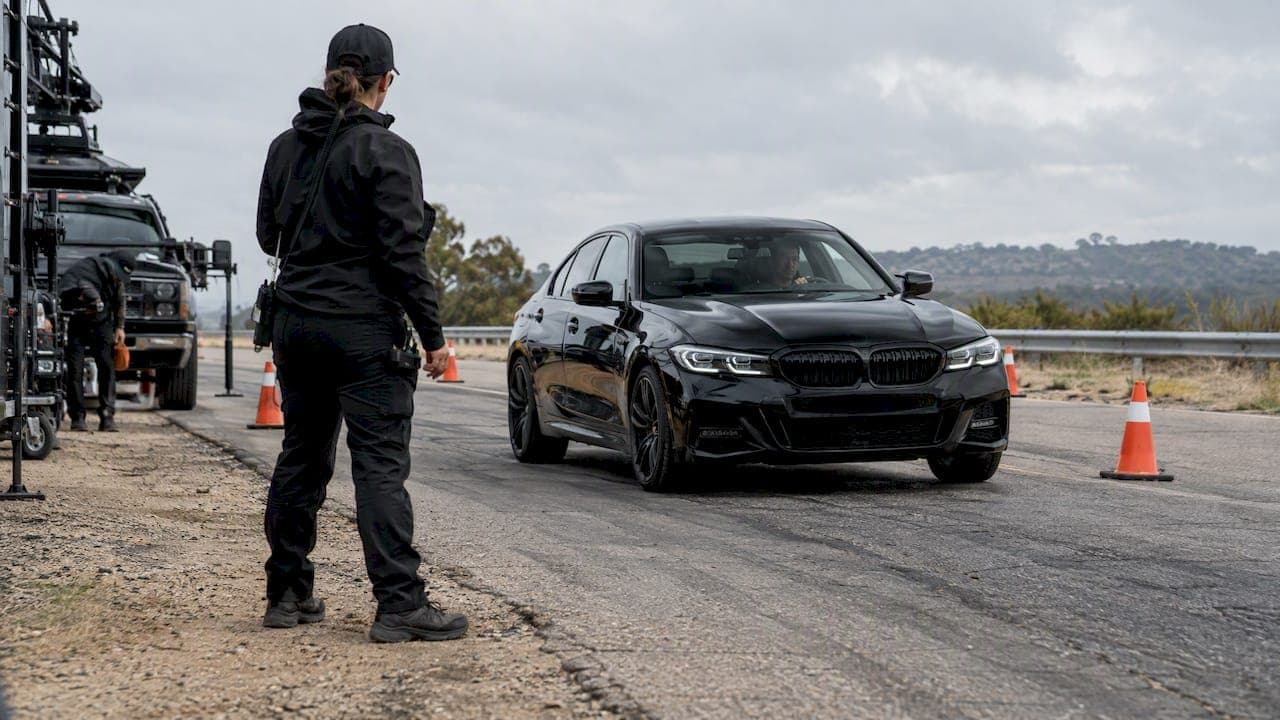
For marketing and creative directors commissioning automotive commercials, an integrated full-service production partner delivers the cinematic creative, platform-ready deliverables, and measurable outcomes you need. Working with a single partner who manages everything from concept to final cut removes the friction of coordinating separate freelancers for strategy, production, and edit. This guide covers the services to expect, a realistic timeline, budget ranges, media rules, and a checklist for choosing the right partner.
TL;DR:
- Working with a full-service partner streamlines the entire campaign process, from creative strategy to final edits, reducing coordination friction and ensuring consistency.
- A production reel should demonstrate high-quality cinematography, sound design, and platform-specific versions, with references and raw cut comparisons for validation.
- Typical campaign timelines span 4 to 8 weeks, with clear phase gates and approval points, while compressing or extending this can impact visual complexity and testing.
- Budget fluctuations mainly depend on talent, stunt work, visual effects, location count, and crew days, making location choices a key cost-control factor.
- Platform-specific rules require tailored shooting and editing, with attention to aspect ratios, sound-off captions, and regulatory disclosures, especially for safety and pricing claims.
- ✓Concept through final delivery
- ✓Cinematic campaign production
- ✓Integration with your creative team
- ✓Reliable, efficient execution at scale
Table of Contents
- What full-service automotive commercial production includes
- What to look for in a production reel
- The 4 to 8 week playbook from brief to delivery
- What drives cost and what a realistic budget looks like
- Creative and delivery rules for each media placement
- How to choose and manage a production partner
- Regulatory compliance and safety standards to plan for
- Casting and talent for drivers and on-camera actors
- What agencies get wrong on a production engagement
- Ready to brief your next automotive campaign
- FAQ
- Sources
What full-service automotive commercial production includes
A true full-service partner covers the entire arc of a campaign, not just the shoot day. That means creative strategy that defines the story before a single frame is shot, screenwriting and storyboarding that map out shots and pacing, casting for drivers and actors, production crew and equipment, post-production editing, and visual effects for shots that would be too costly or unsafe to capture practically.
The deliverable set for a modern automotive campaign rarely stops at one hero spot. Most engagements produce a layered asset library built for different placements and funnel stages:
- A hero spot of 60 to 90 seconds for broadcast, CTV, and YouTube pre-roll.
- Cutdowns at 15 and 30 seconds for paid social and shorter YouTube inventory.
- Vertical and square social edits optimized for mobile feeds.
- Feature explainer videos covering specific trim, tech, or safety features.
- Product walkarounds for dealership websites and sales teams.
When an agency brings in a production partner, the handoff usually works best when the agency owns brand strategy and client relationships while the production team owns execution: casting, shoot logistics, VFX, and edit. Our services overview breaks down how creative strategy, screenwriting, and production stages connect for agencies that want this kind of integration rather than a patchwork of vendors.
What to look for in a production reel
A reel tells you more about fit than any pitch deck. Watch for how cinematography handles reflective surfaces and motion, since cars are notoriously hard to light and shoot well. Listen for sound design: engine notes, tire grip, and door thunks carry as much emotional weight as the visuals. Pay attention to editing rhythm and whether the storytelling holds up without dialogue, since many viewers watch with sound off.
Before you commit to a partner, confirm:
- Work in a similar vehicle category (luxury, truck, EV, or mass-market).
- Any available results or performance metrics from past campaigns.
- Platform-specific versions, not just a single broadcast cut.
- References you can actually contact.
Red flags include reels padded with stock footage, no audio mixing, or only one aspect ratio across every sample.
Pro Tip: Ask to see a raw cutdown alongside the polished hero spot. The gap between the two tells you how much of the "cinematic" quality depends on post rather than craft on set.
The 4 to 8 week playbook from brief to delivery
A realistic automotive commercial timeline runs in six phases, each with its own deliverable and approval gate before work moves forward.
- Brief and discovery (days 1 to 5): the agency shares objectives, target vehicle, audience, and budget range; the production partner returns a creative approach.
- Concept and script (days 5 to 12): treatment, script, and mood boards are presented for sign-off.
- Preproduction (days 10 to 20): location scouting, vehicle sourcing, permits, and casting run in parallel, finishing with a locked shot list.
- Shoot (days 18 to 25): typically 1 to 3 shoot days depending on scope, with a wrap review against the shot list.
- Post-production (days 25 to 45): editing, color, sound design, and VFX, with at least one client review round built in.
- Delivery and QA (days 45 to 56): platform-specific exports, captioning, and technical quality checks before launch.
Compressing this to 4 weeks is possible but usually means sacrificing location variety or VFX complexity. Extending to 8 weeks gives more room for versioning and paid testing before launch. Our production process playbook and production timeline guide walk through each phase with the deliverables due at every gate.
A clear production playbook and defined approval gates reduce the risk of cost overruns and reshoots, which matters most when a hero spot is tied to a hard media launch date.
What drives cost and what a realistic budget looks like
Automotive commercial budgets swing widely, and the swing almost always traces back to a handful of cost drivers: talent fees, stunt coordination, visual effects, number of locations, and crew days. A single extra location or a stunt driver can move a budget more than almost any other line item.
Three common budget shapes:
- Hero spot only: a single cinematic 60 to 90 second film, built for broadcast and YouTube, with moderate location and VFX needs.
- Social-first modular campaign: a smaller hero asset paired with a larger set of cutdowns and vertical edits, spreading cost across more deliverables rather than one big shoot day.
- Scaled package: a hero spot plus a full library of explainers, walkarounds, and seasonal refreshes produced across the year from a shared shoot.
Pro Tip: If budget is tight, cut locations before cutting shoot days. Fewer setups in one well-chosen location almost always looks better than a rushed multi-location shoot.
Reallocating budget from a second location toward sound design or color grading often improves perceived production value more than the audience ever notices the swap.
Creative and delivery rules for each media placement
Where a spot runs should shape how it is shot and cut, not just how it is trimmed afterward. Think with Google's research on automotive video ads finds that high-performing automotive YouTube ads drop viewers into the action in the opening seconds, lean on human-centered storytelling, and use strong audio cues like engine and tire sound to hold attention. Because YouTube watch time skews heavily mobile, tight framing and high-contrast visuals that read clearly on a small screen also tend to carry over well to CTV.
That same guidance warns against packing too many messages into one short spot: one or two features per short-form ad consistently outperform multi-message cuts on mobile-first placements.
Broadcast and CTV can still support a slower-burn, 60 to 90 second cinematic narrative, while short-form social and YouTube bumpers need the payoff up front. Before delivery, check:
- Aspect ratios for each platform (16:9, 9:16, 1:1).
- Open captions or burned-in subtitles for sound-off viewing.
- Correct bitrate and metadata tagging per platform spec.
- Platform-specific thumbnail frames for YouTube and CTV.
How to choose and manage a production partner
Selecting a partner comes down to a short list of criteria: direct experience with automotive work, a team that integrates creative strategy with production rather than treating them as separate vendors, the ability to report on measurement and outcomes, clear rights ownership for footage and music, and a deliverables list spelled out before the contract is signed.
On an RFP call or in a written brief, ask these questions directly:
- What is your typical turnaround from brief to final delivery?
- What is your change-order policy once a cut is locked?
- Can you share sample deliverables from a similar vehicle category?
- Who handles insurance and permits for shoot locations?
- How do you measure or report on campaign performance after launch?
Disqualifying red flags include vague answers about who owns footage after the project ends, no clear process for handling location permits or vehicle insurance, and an unwillingness to share a single reference client. A partner who cannot answer the change-order question clearly is one who will surprise you with invoices later.
Regulatory compliance and safety standards to plan for
Automotive commercials carry more regulatory weight than most product categories because pricing claims, safety depictions, and performance statements are closely watched. The FTC's guidance on digital advertising disclosures states that material claims and pricing must be presented clearly and conspicuously so viewers can make informed decisions before purchase. That applies to every cut of a spot, not just the longest version, since a 15-second cutdown still needs the same clarity around pricing or financing claims as the hero spot.
The FTC's CARS Rule adds requirements specific to auto retail advertising, targeting deceptive pricing practices and requiring accurate recordkeeping behind the claims made in an ad. Any spot that references price, financing terms, or limited-time offers should be reviewed against this guidance before it airs.
Safety is a separate but related concern on set. Driving sequences, stunts, and any footage involving a vehicle in motion need coordination with qualified stunt or precision drivers, closed courses or cleared public roads with proper permits, and insurance coverage that names the specific risks involved. Skipping this step is the single most common cause of production delays when a location or municipality pulls a permit after discovering unapproved stunt work. A clear chain of responsibility for permits and safety sign-off, built into the production timeline rather than bolted on at the last minute, keeps a shoot on schedule and keeps the finished ad defensible if a regulator or network reviews the claims later.

Casting and talent for drivers and on-camera actors
Casting an automotive spot usually means filling two distinct roles: the people the audience sees and connects with emotionally, and the drivers who actually operate the vehicle on camera. These are not always the same person. A lead actor might handle close-up dialogue and reaction shots while a precision or stunt driver takes the wheel for any sequence involving real speed, tight maneuvers, or anything resembling a stunt.

For precision driving, verify certification and insurance coverage before the shoot date, not during preproduction scramble. A driver with motorsport or stunt-coordination credentials brings both skill and the liability coverage a production needs.
On-camera talent selection should match the brand's actual customer, not a generic "aspirational" model that feels disconnected from who buys the vehicle. Think with Google's research on automotive creative points to human-centered storytelling as a consistent driver of engagement, which starts with casting people the target audience recognizes as like themselves. Screen test candidates specifically for how they interact with the vehicle on camera: getting in and out naturally, hands on the wheel, reactions to features, since awkward vehicle interaction is one of the fastest ways a commercial reads as staged rather than authentic.
What agencies get wrong on a production engagement
The most common mistakes are predictable: scope creep after the creative is approved, late-stage changes once a cut is locked, and treating platform versions as an afterthought instead of planning for them from the brief. An integrated production partner mitigates these by building change-order terms and platform deliverables into the original scope rather than negotiating them mid-project.
One tactical takeaway: lock your platform list (YouTube, CTV, social, dealership site) before the shoot, not after the edit, so framing and coverage support every cut you need.
— Steven Reina
Ready to brief your next automotive campaign
We work as an extension of your creative team, managing everything from strategy and screenwriting through shoot, visual effects, and final delivery so you get cinematic results without expanding internal headcount.
To get an accurate estimate, your brief should include the target vehicle and audience, your required asset list (hero spot, cutdowns, social versions), your media plan, and your timeline. Before locking a final cut, running options through a platform like Popjam can help pre-test creative direction against real audience response.
- Browse our work for examples across vehicle categories.
FAQ
How long does automotive commercial production typically take?
Most campaigns run 4 to 8 weeks from initial brief to final delivery, covering concept, preproduction, the shoot, post, and platform-specific exports. Shorter timelines are possible but usually mean fewer locations or simpler visual effects.
What should I budget for a car commercial?
Budgets vary widely based on talent, stunts, visual effects, locations, and crew days, so there is no single fixed number. A social-first modular campaign with more cutdowns and fewer locations typically costs less than a single large-scale hero spot with stunts and multiple setups.
Do car commercials need FTC disclosure compliance?
Yes. The FTC's online advertising guidance requires that pricing and material claims be clear and conspicuous, and the CARS Rule specifically targets deceptive auto retail advertising practices.
What are commercial productions?
A commercial production covers every stage of making an advertisement: creative strategy, scriptwriting, casting, filming, editing, and visual effects, ending in deliverables sized for specific media placements like broadcast, YouTube, or social.
What information do I need to provide to get a production quote?
Share your target vehicle, audience, required asset list, media plan, and timeline. The more specific the brief, the more accurate the estimate a production partner can return.
Sources
For deeper technique and compliance reading, see Think with Google's creative strategies for car video ads, the Volvo YouTube marketing case study, and the FTC's digital advertising disclosure guidance.
- Creative strategies to improve car video ads - Think with Google
- Dot Com Disclosures: How to Make Effective Disclosures in Digital Advertising - FTC