
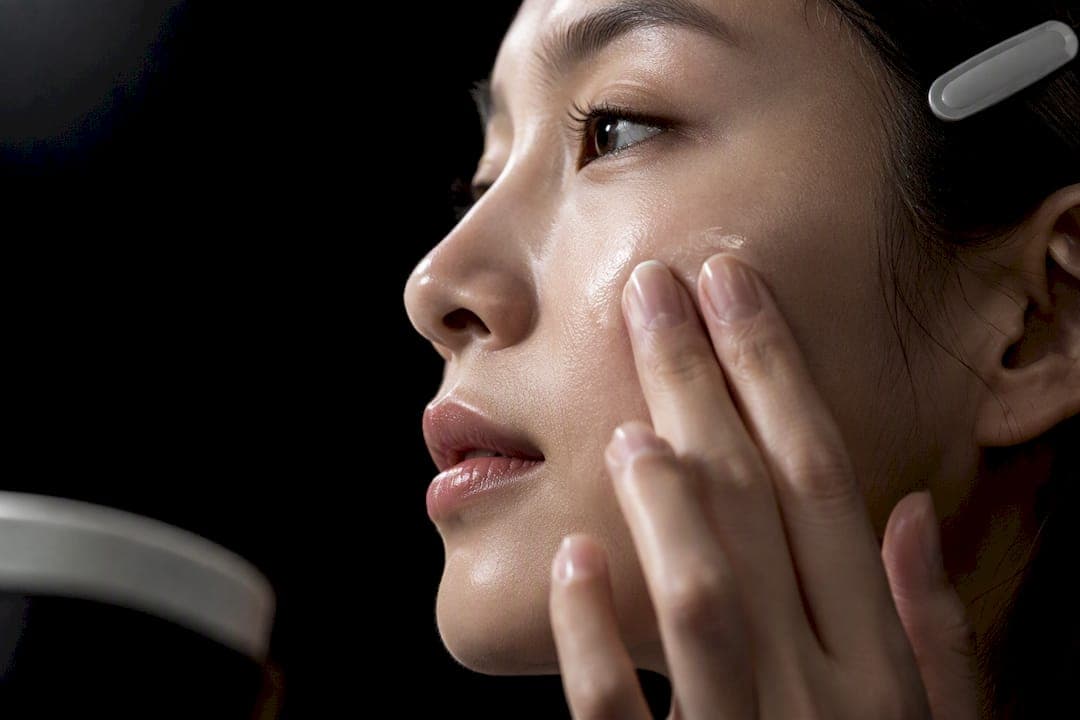
Lock the creative brief, casting brief, and delivery specs before you book a single studio day, then stage production on a 4-8 week playbook. That single sequence prevents the reshoots and legal exposure that sink most beauty commercials. An agency producer or a production partner like MINIM typically leads that cadence, and it works because it treats casting, compliance, and camera decisions as one connected system instead of three separate departments.
TL;DR:
- Lock in creative, casting, and delivery specifications before production to prevent costly reshoots and legal issues, with clear documentation for each step.
- Finalize key elements such as aspect ratios, codecs, color grading, and platform requirements early in the process to ensure smooth post-production workflows.
- Request detailed texture and skin close-ups in casting submissions and schedule camera and makeup tests to verify performers' suitability for close-up beauty shots.
- Use controlled lighting setups, macro lenses, and thorough color management to accurately capture skin textures and product details on camera.
- Prioritize legal clearances, substantiated performance claims, and proper disclosure of endorsements to maintain compliance with FTC rules and avoid reputational risks.
Table of Contents
- Quick production checklist for beauty commercials
- Pre-production: creative brief, claims substantiation, and production planning
- Casting and talent management for beauty commercials
- Production techniques that make beauty products read on camera
- Compliance, endorsements, and ethical claims in beauty advertising
- Typical timelines and staging a 4-8 week production playbook
- When virtual production is the right choice (and when it's not)
- What agencies get wrong about beauty commercial timelines
- How to engage MINIM to produce your next beauty commercial
- Sources
- FAQ
Quick production checklist for beauty commercials
Before casting calls go out or a studio is booked, an agency needs a short list of decisions locked in writing. Skipping this step is where most schedule overruns start.
Pre-production essentials to finalize first:
- Creative brief approved by the client, including tone, hero product, and key claims.
- Casting brief with texture, skin tone, and demo requirements specified.
- Talent, music, and product rights cleared or in active negotiation.
- Hair, makeup, and wardrobe teams booked with confirmed range across skin tones and hair textures.
Delivery specs to lock before the shoot:
- Aspect ratios required (16:9 for broadcast and connected TV, 9:16 for social and vertical placements).
- Codec and resolution for master files, plus proxy formats for review cycles.
- Color pipeline: capture format, LUT approach, and final grading deliverable.
- Caption and safe-area requirements for each platform the client plans to run on.
Budget checkpoints to confirm with the client:
- Sign-off on SAG-AFTRA versus non-union casting before quotes go out, since performer costs shift significantly between the two.
- Contingency for hair and makeup overages, especially on multi-look or multi-talent shoots.
- A defined approval gate for the rough cut, the color grade, and final delivery, so revisions do not compound late in the schedule.
Pre-production: creative brief, claims substantiation, and production planning
A beauty creative brief has to do two jobs at once: sell a feeling and describe a function. The brief should separate aesthetic direction (the mood, the light, the styling) from the specific product claims the spot will make, because those claims are what regulators and legal review will scrutinize later. If the script says a serum "reduces the appearance of fine lines in two weeks," that line needs to trace back to substantiation the client can produce on request. The FTC's Endorsement Guides require advertisers to hold adequate substantiation for performance claims and to disclose material connections behind any endorsement, and that standard applies whether the claim comes from a script line, a testimonial, or an influencer post built from the campaign.
Rights and clearances belong on the pre-production checklist, not the wrap-up list. Talent releases, product usage rights, and music licensing all take longer to close than teams expect, and beauty spots often layer in additional complexity: dermatologist consultants, before-and-after imagery, or licensed skincare data that needs its own clearance trail.
Booking hair, makeup, and wardrobe early matters as much as booking the director. A beauty commercial lives or dies on whether the styling team can deliver consistent, camera-ready results across every hair texture and skin tone the casting brief calls for. Confirm kit range and specific technique experience (curl definition, deeper skin tone contouring, sensitive skin prep) during the vendor interview, not on set.
Pro Tip: Build your claims substantiation file alongside the script, not after the client approves it. Legal review moves faster when the backup already exists.
Key documents to finalize before casting opens:
- Approved creative brief with claims flagged for substantiation.
- Signed or drafted talent release templates.
- Music licensing shortlist with budget ranges attached.
- Styling vendor confirmation covering the full range of skin tones and hair textures the brief requires.
Casting and talent management for beauty commercials
A beauty casting brief needs more detail than a typical commercial call. Skin texture under macro lighting, comfort with close-up product application, and the ability to repeat a precise gesture (a swipe of lipstick, a pat of foundation) across multiple takes all matter more than general on-camera charisma. Write the casting brief around those specifics, and ask for texture close-ups in the submission, not just a standard headshot.
Audition workflows should include a camera test and, where the budget allows, a brief makeup test. Seeing how a performer's skin reads under the planned lighting setup, and how they hold a product demonstration gesture, catches problems before they become reshoot costs. This is also where SAG-AFTRA versus non-union casting decisions get made. The SAG-AFTRA Production Center outlines signatory requirements, performer classifications, and the Taft-Hartley process agencies use when a non-union performer is the best fit for a union production. Budgets need to account for the allowances SAG-AFTRA contracts specify for hair, makeup, and wardrobe fittings, since these are contractual line items, not optional extras.
Casting and talent checklist:
- Request texture and skin close-ups in initial casting submissions.
- Schedule camera and makeup tests for finalists before booking.
- Confirm union status early and budget SAG-AFTRA allowances accordingly.
- Build fitting days into the schedule, separate from the shoot day itself.
- Brief stylists on each performer's specific hair texture and skin needs in advance.
Fitting logistics deserve their own line on the schedule. A rushed fitting the morning of the shoot is one of the most common causes of on-set delay in beauty production, particularly when multiple looks or wardrobe changes are involved.
Production techniques that make beauty products read on camera
The lighting setup determines whether skin looks alive or flat, and whether a product's finish reads as luxurious or cheap. Soft-light wraps, built from large diffused sources positioned to wrap around the face, tend to flatter skin texture without erasing it entirely. Controlled specular highlights, added with smaller hard sources or reflectors, are what make a gloss or dewy finish visible without turning the shot shiny in the wrong places.

Macro lenses and dedicated product rigs are essential for application close-ups: a lipstick swipe, a serum drop, a powder blend. These shots typically need their own lighting pass separate from the hero beauty shots, since the working distance and depth of field are different.
Color management has to be planned before the shoot, not fixed in the grade. Lock white balance on camera, shoot test charts under each lighting setup, and agree on the LUT approach with the colorist before principal photography starts. Skin tone consistency across multiple talent and multiple scenes is the hardest thing to fix after the fact.
Framing for multi-format delivery is a production-day decision, not a post-production one. Case examples from dual-aspect capture workflows show that production teams shooting for both 16:9 and 9:16 typically capture in a wider format and protect the vertical safe area inside the frame, which avoids reshoots when the social cut needs a tighter crop.
Pro Tip: Shoot a color chart, a skin reference patch, and a neutral gray card at every new lighting setup. It saves the colorist hours of guesswork when matching skin tones across cuts.
Coverage checklist for editors:
- Wide and medium hero shots protected for both 16:9 and 9:16 crops.
- Dedicated macro passes for every product application moment.
- Cutaways of packaging, texture, and finish for editorial flexibility.
- A locked color reference shot at each lighting setup.
Compliance, endorsements, and ethical claims in beauty advertising
Every performance claim in a beauty spot needs a paper trail. The FTC's Endorsement Guides require advertisers to hold adequate substantiation before making a claim, and that requirement extends to any testimonial, influencer post, or endorsement built from the campaign, not just the broadcast script.
Statistic Callout: Prestige and mass beauty retail posted positive performance in 2025, with "skinification" (hybrid color and skincare products) emerging as a defining trend. That shift means creative increasingly needs to signal both finish and ingredient benefit, which raises the bar for what a claim in the script actually has to prove.
Disclosure rules apply to paid talent and to anyone receiving free product in exchange for a post. The FTC's own guidance on frequently asked questions makes clear that material connections, payment, free product, or any other benefit, need to be disclosed clearly enough that a typical viewer would notice them, and that advertisers are expected to monitor the claims their paid endorsers make.
Common testimonial pitfalls to avoid:
- Presenting a gifted product as an unprompted, organic recommendation.
- Letting an influencer make a performance claim the brand cannot substantiate.
- Using a disclosure buried in a caption's final line or hashtag string where viewers are unlikely to see it.
- Reusing a testimonial in a new context without reconfirming the disclosure still applies.
SAG-AFTRA contracts add their own budget line items that agencies need to plan for from the outset: hair, makeup, and wardrobe allowances, fitting day compensation, and exclusivity terms that can restrict a performer from appearing in competing beauty campaigns for a defined window. Building these into the initial budget avoids a painful renegotiation later.
Typical timelines and staging a 4-8 week production playbook
A beauty commercial can move from kickoff to final delivery in 4 to 8 weeks when the approval gates are structured up front, guided by proven methods outlined in The Role of Video Content in Marketing Success. The schedule below is a condensed version of the kind of milestone map MINIM's 4-8 week commercial production process playbook uses to organize client handoffs.
- Weeks 1-2: Creative brief locked, casting brief written, claims substantiation gathered, key vendors booked.
- Weeks 2-3: Casting calls, camera and makeup tests, talent contracts finalized.
- Weeks 3-4: Location or studio locked, fittings scheduled, pre-light and technical planning completed.
- Weeks 4-5: Principal photography, including macro and product-specific coverage.
- Weeks 5-7: Editorial, color grading, sound design, and client review cycles.
- Weeks 7-8: Final delivery across all required aspect ratios and formats.
Approval delays most often happen at the rough cut and final color stages, so building a single defined review window into each of those gates, rather than leaving revisions open-ended, keeps the schedule intact.
Pro Tip: Save time without cutting quality by combining fitting days with camera tests whenever the schedule allows. It reduces the number of separate calls a performer needs to make.
High-cost line items typically cluster around talent (especially union allowances), specialized macro equipment, and color finishing. None of those are good places to cut corners on a beauty spot, since they are exactly what makes the product look credible on screen.
When virtual production is the right choice (and when it's not)
Virtual production earns its cost when a spot needs a controlled, repeatable background or a complex CG environment that would be expensive or impossible to build practically. LED volumes are useful for stylized beauty environments or when a campaign needs to run the same set across multiple looks without rebuilding.
Skin and texture fidelity are where virtual production tends to struggle. Close-up macro shots of product application, skin texture, and finish generally still favor practical capture, since the micro-detail that sells a beauty product is hard to replicate convincingly against a virtual backdrop.
Deciding factors for VP versus practical:
- Choose virtual production when the background is complex, stylized, or needs to change quickly across scenes.
- Choose practical capture when the shot depends on close-up skin texture or product application detail.
- Consider a hybrid approach: VP backdrops for wide and environmental shots, paired with a practical macro shoot day for texture and product close-ups.
- Weigh the schedule trade-off: VP can save location scouting time, but it often adds setup and rendering time that a practical macro session does not require.
Budget conversations should treat VP and practical capture as complementary rather than competing choices, since a hybrid workflow often delivers the best result for the cost.
What agencies get wrong about beauty commercial timelines
The biggest misconception in beauty commercial production is that the camera and lighting are the hard part. They are not. The hard part is the compliance trail: substantiating a claim, disclosing a paid relationship, and budgeting for the contractual allowances a union performer is owed. Agencies that treat legal and casting as afterthoughts consistently lose more time to those gaps than to any lighting setup or lens choice.
The other underestimated factor is styling range. A production that books one hair and makeup artist without confirming their experience across different textures and tones will lose a shoot day to on-set problem solving, every time. That is not a creative failure. It is a staffing failure that shows up as a schedule failure.
What actually works is treating the 4-8 week window as a series of hard gates rather than a loose timeline: brief locked, casting locked, claims substantiated, delivery specs locked. Miss one of those gates and the whole schedule slides, no matter how good the director or the DP is.
— Steven Reina
How to engage MINIM to produce your next beauty commercial
Agencies that need premium execution without adding headcount can bring MINIM in as an extension of the creative team, from strategy through final delivery. MINIM's skills span creative strategy, campaign development, full-service production, in-house photo studio work, and 2D/3D visual effects, all handled by a team that integrates directly into an existing agency workflow rather than replacing it.
Starting is straightforward: a discovery conversation establishes the creative brief, casting needs, and delivery specs, then production is staged on the same 4-8 week cadence outlined in MINIM's process playbook. Every project, regardless of budget, is run as a full production with the same attention to lighting, casting, and post-production detail described throughout this guide. To see examples of past execution, review MINIM's work, or reach out directly through the company page to scope your next beauty campaign.
Sources
- US prestige and mass beauty retail deliver a positive performance in 2025, Circana reports
- Guides Concerning the Use of Endorsements and Testimonials in Advertising
- SAG-AFTRA Production Center — Commercials: Getting Started
- Careline Filipino Makeup Commercial Applies Blackmagic
FAQ
What are some famous beauty ads?
Beauty advertising history includes long-running campaigns built around individual brand taglines and testimonial formats, ranging from skincare demonstration spots to celebrity-fronted makeup launches. The specific examples that count as "famous" shift by market and generation, so agencies researching precedent should look at recent award-winning work in their own category rather than relying on a fixed list.
Who are the big 7 of the beauty industry?
There is no single official "big 7" list published by a regulatory or industry body, so definitions vary depending on the source. Most versions group the largest global cosmetics and personal care companies by revenue, and agencies should confirm current rankings through a named industry report rather than a repeated online list.
Who are the major cosmetics producers?
The cosmetics industry includes a mix of large multinational manufacturers and independent brands, with market share shifting each year based on retail performance. Agencies producing beauty commercials typically work with the brand or its in-house marketing team directly, rather than needing to track manufacturer rankings.
Who is the girl in Sephora ad?
Casting for retailer and brand campaigns changes frequently, and the specific talent in any given ad depends on the campaign and its casting brief. Agencies looking to replicate a particular campaign's casting approach should study the brief's texture, tone, and demo requirements rather than the individual performer.
Do beauty commercials need FTC disclosures for gifted products?
Yes. The FTC's Endorsement Guides require disclosure of material connections, including free or gifted products, whenever a performer or influencer endorses a brand. The disclosure needs to be clear enough that a typical viewer would notice it, not buried in a caption or hashtag string.