
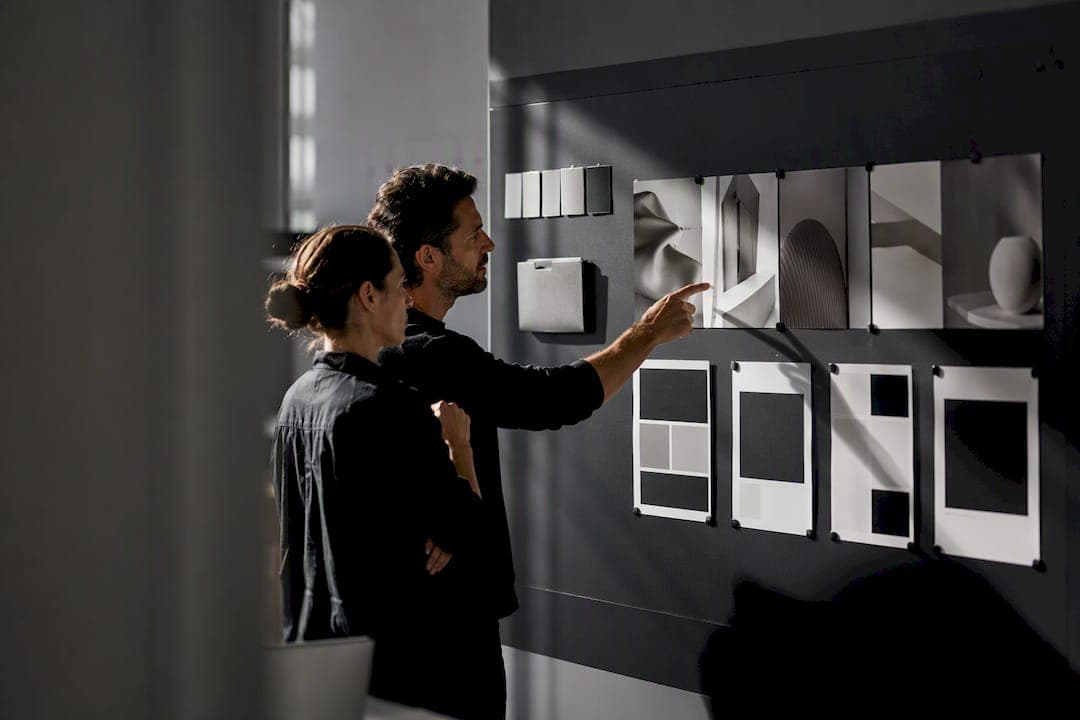
The content studio model is an outsourced, agency-integrated production partner that plans, shoots, and finishes campaign content, from concept through final delivery, without the agency adding headcount. It gives creative and marketing leaders a dedicated team plus a shared toolkit of formats and assets, so cinematic work ships at retail and social speed. The outcome is predictable: faster turnaround, lower cost per asset, and access to specialists like 3D artists and directors of photography on demand.
TL;DR:
- Content studios lower costs by providing specialized assets like 3D renders and VFX without the need for full-time staff, reducing onboarding time and vendor switching.
- Projects typically take one to eight weeks depending on complexity, with quick turnarounds for social shoots and longer schedules for full commercials and product renders.
- Agencies should ask potential partners for a clear point of contact, a cinematic portfolio, and specific turnaround SLAs, avoiding vague pricing and undefined delivery formats.
- A pilot project with three to five deliverables and a fixed SLA is the best way to test a content studio’s speed, quality, and integration before a long-term commitment.
- The choice between in-house production and outsourcing depends on volume predictability, with moderate or fluctuating output benefiting more from an external, integrated partner.
Table of Contents
- What Does a Content Studio Model Look Like in Practice?
- Why Are Agencies Adopting the Content Studio Model?
- How Does an Integrated Content Studio Run a Project?
- What Questions Should You Ask a Content Studio Partner?
- When Does a Content Studio Beat Building In-House?
- How MINIM Fits Into an Agency's Production Stack
- Sources
- FAQ
What Does a Content Studio Model Look Like in Practice?
A content studio doesn't replace your creative department. It plugs into it. The typical engagement runs on a small, named team that agencies can call directly instead of routing requests through account managers or a rotating bench of freelancers.
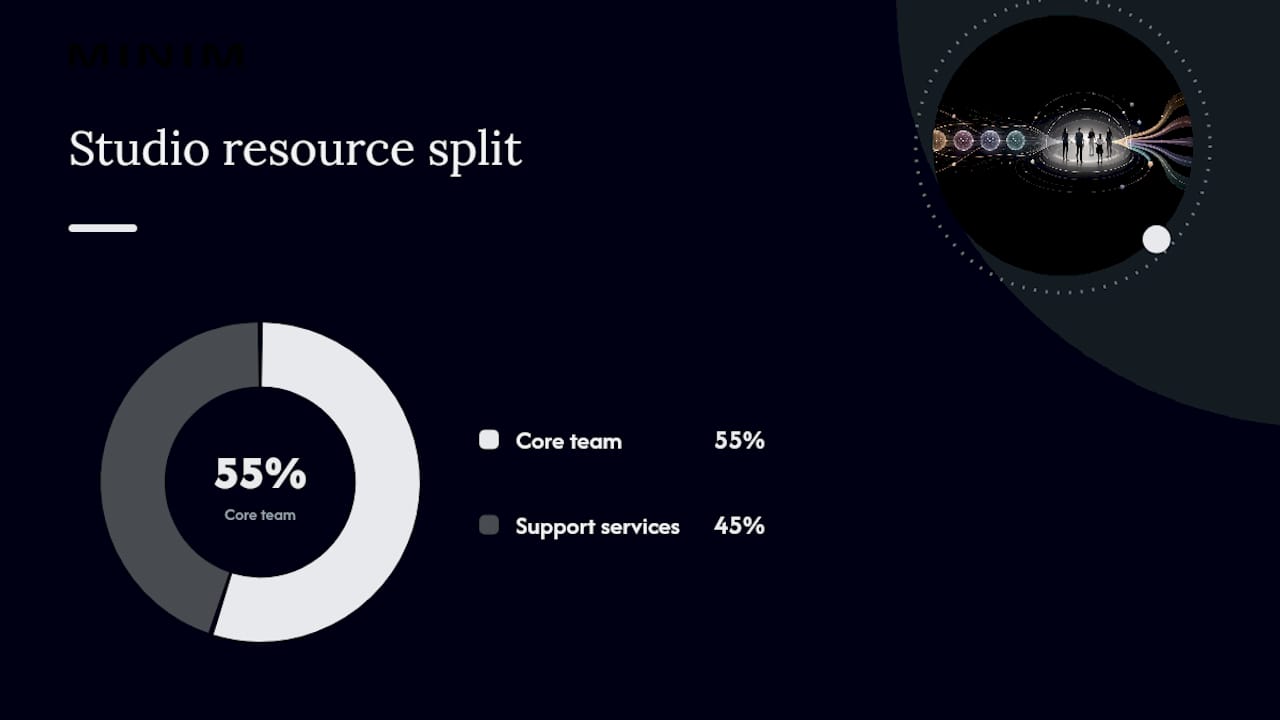
That team usually includes a producer, a creative director, a director of photography, an editor, a 3D artist, and a traffic coordinator who manages versioning and delivery. Around that core sit the services that make the model useful: creative strategy, screenwriting, full-service film and photography production, postproduction, and 2D/3D visual effects.
Deliverables tend to follow a pattern, incorporating independent artist content formats to maximize campaign success:
- A hero commercial or TV spot as the anchor asset
- Five to six social cuts sized and paced for each platform
- Product 3D renders for ecommerce and retail listings
- Retail image sets formatted for in-store or marketplace requirements
- Localized cuts with swapped voiceover, text, or talent for different markets
Integration touchpoints matter as much as the deliverables themselves. A studio that works well inside an agency structure has a clear brief handoff process, builds in editorial review checkpoints before final cut, and delivers finished files straight into your media asset management system rather than a generic file drop.
Why Are Agencies Adopting the Content Studio Model?
Speed is the first driver. Paid social and retail media activation windows move fast, and creative that lags behind a media buy loses impressions it can never recover. Large agency groups have taken notice: Dentsu and other holding companies have been reorganizing to pull media and creative production closer together, a direct response to clients asking for production that's built around outcomes and tied to when and where the media actually runs.
Requests that combine creative and media elements into a single brief have become more common in agency RFIs, indicating that buyers now expect production partners to consider channel performance, not just finished footage.
Cost efficiency follows close behind. A dedicated team working from a shared toolkit produces assets at a lower marginal cost than constantly re-briefing new freelancers or running fresh RFPs for every project. The benefits stack up:
- Fewer vendor switches and less onboarding friction per project
- Specialist access, like 3D rendering or premium VFX, without a hiring cycle
- Faster creative iteration that keeps pace with campaign testing cycles
- Better creative-to-media fit, since assets are built with the channel in mind from the first script draft
The result isn't just faster output. It's output built to perform in the exact channel it's headed for, which is the entire argument behind rebundling creative and media functions in the first place.
How Does an Integrated Content Studio Run a Project?
The workflow behind a content studio model looks simple on a slide and gets its value from how tightly each step is run. Here's the typical sequence:
- Intake and brief. The studio receives the creative brief along with channel specs, timing, and budget parameters.
- Concept and scripting. A creative director and writer turn the brief into a script or shot list, often with the agency reviewing before production starts.
- Production. Filming, photography, or 3D asset creation happens on a locked schedule with a named crew.
- Post and asset versioning. Editors cut the hero asset first, then generate social, retail, and localized versions from the same footage or render set.
- Delivery to MAM or CMS. Final files ship with metadata attached, ready for immediate ingest into the agency's asset management platform.
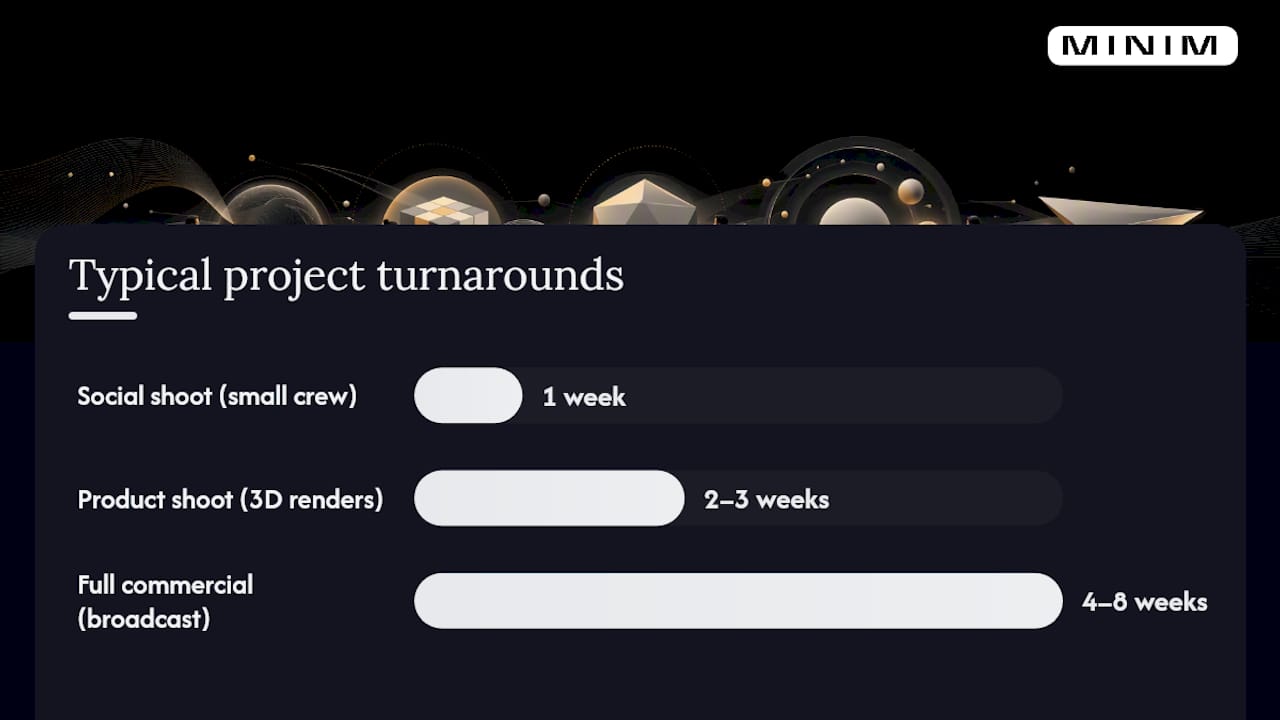
Timelines shift depending on complexity. A single social shoot with a small crew can turn around in a week. A product shoot involving 3D renders typically needs two to three weeks to account for modeling and lighting passes. A full commercial with location scouting, casting, and a broadcast cut can run four to eight weeks.
Modular toolkits are what keep those timelines from stretching. Shot lists, motion graphics templates, and pre-built asset frameworks mean a studio isn't rebuilding a production plan from scratch every time, which is a big part of how creative production scales without ballooning cost per asset.
Pro Tip: Ask your production partner how they label and version assets before you sign anything. A studio that tags files by campaign, channel, and aspect ratio at the point of delivery saves your team hours during every retail or paid social refresh.
What Questions Should You Ask a Content Studio Partner?
Vetting a production partner comes down to four categories: integration, capability, process, and commercials. Getting clear answers here before you sign anything saves you from a mismatched pilot.
On integration, ask how the partner's team communicates with yours day to day. Do you get a named producer and creative lead, or a rotating account contact? Weekly check-ins versus ad hoc emails is the difference between a partnership and a vendor relationship.
On capability, ask to see a cinematic portfolio and specific 3D product rendering examples, since 3D rendering has become a standard offering among premium production partners and speeds up ecommerce launches significantly. Also confirm they can produce the specific formats you need for retail and social, not just broadcast.
On process, confirm turnaround SLAs, whether they use a toolkit-based approach for repeat asset types, and whether their delivery format is compatible with your MAM or CMS. Get clarity on rights and ownership of raw footage and final cuts in writing.
| Evaluation area | Key question to ask | Red flag |
|---|---|---|
| Integration | Who is our named point of contact? | Contact rotates project to project |
| Capability | Can we see 3D rendering and cinematic samples? | Portfolio is stock footage or mockups only |
| Process | What's the standard turnaround for a social cut? | No defined SLA in the proposal |
| Commercials | Is pricing project-based or retainer? | Vague pricing with undefined overage terms |
A well-scoped pilot with three to five deliverables and a defined SLA tests speed, quality, and collaboration without locking you into a long-term retainer. If a prospective partner resists a small pilot in favor of jumping straight to a full retainer, treat that as a warning sign.
When Does a Content Studio Beat Building In-House?
The honest answer depends on volume and predictability, not on which model sounds more impressive in a pitch deck. A stage-based outsourcing framework that maps client count against monthly output is a useful gut check: agencies with fluctuating or moderate output get more value from an integrated partner than from carrying full-time production salaries through slow months.
Building in-house still makes sense at extreme volume or when proprietary IP, like patented shooting techniques or exclusive talent relationships, demands total control. Most agencies fall well short of that threshold. If you're weighing the two, start with a pilot: three to five deliverables, a fixed timeline, and a clear measurement plan tied to campaign performance rather than vanity metrics like views alone.
— Steven Reina
How MINIM Fits Into an Agency's Production Stack
MINIM operates as an agency-integrated content studio, not a bolt-on vendor. You get a named team covering creative strategy, full-service production, photography and film, in-house studio work, and 2D/3D visual effects, so a single brief can move from script to finished retail assets without you managing five separate contracts.
Every project runs with the same production standard, regardless of budget size, and the team works directly inside your existing creative review process rather than around it. That means your creative director stays in the loop on casting, framing, and cut decisions, while MINIM's crew handles the parts that eat internal bandwidth: scheduling, crew logistics, 3D rendering, and post. You can see the range of that work, from commercial spots to retail and ecommerce asset sets, before committing to anything.
If your team is deciding between growing an internal studio or piloting an outside partner, the lowest-risk move is a scoped pilot: a handful of deliverables, a fixed timeline, and a direct line to the production team. Get in touch with MINIM to scope a pilot around your next campaign.
Sources
- Dentsu is the latest holdco to reunite media and creative production
- Content writing for agencies: when to outsource, when to hire, and the margin math behind both | Content Whale
FAQ
What Is the Content Studio Model?
It's an outsourced, agency-integrated production partner that delivers end-to-end campaign content, strategy, film, photography, and postproduction, without the agency expanding its own team. MINIM runs this model with a named production team embedded directly in the agency's creative process.
How Much Does a Content Studio Partner Cost?
Pricing depends on scope, whether you're commissioning a single social shoot or a full commercial campaign with 3D renders. MINIM's current rates and service details are available directly on its services page, since project-based pricing varies with deliverables.
How Long Does a Typical Production Take?
A social shoot with a small crew can turn around in about a week, while a product shoot involving 3D renders usually takes two to three weeks. A full commercial with casting and location work tends to run four to eight weeks depending on complexity.
Should an Agency Build In-House or Use a Content Studio?
It depends on volume and predictability. Moderate or fluctuating output usually favors an integrated partner over the fixed cost of full-time production salaries, while only very high, steady volume tends to justify building an internal studio.
What Should Be Included in a Pilot Engagement?
A strong pilot includes three to five deliverables, a defined turnaround SLA, and a named team so you can evaluate speed, quality, and collaboration before committing further. This keeps risk low while testing whether the partnership actually fits your workflow.